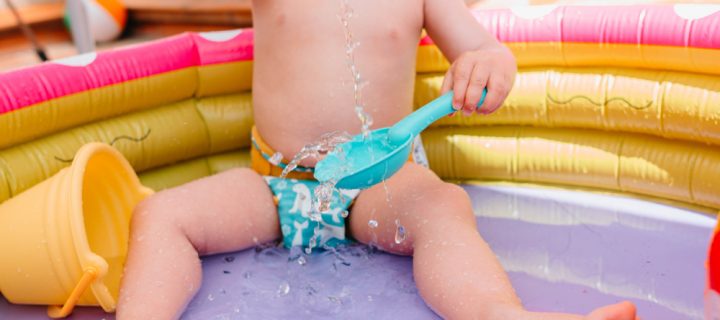
Change the water daily and stay out if you are sick.
Scenes of backyard bliss filled with laughing children splashing in an inflatable pool while parents relax and chat in the heated shade over tall glasses of iced tea (and maybe something more) sound like…summer. They don’t sound awful. Or nightmarish. They certainly don’t bring to mind a horrific struggle to survive. Nor do they resonate with days, months, and nights spent in the hospital while a toddler clings to existence, and kidneys are damaged for life. Unfortunately, they can add up to this, however. How? Parasites and bacteria in the water.
Deadly Bacteria
Simply put, you need to keep your kiddie pool clean. And your kids out of the water if they are sick. These two things are a must. According to the Centers for Disease Control and Prevention (CDC), between 2000 and 2014 there were 493 swimming-related disease outbreaks in the US. These events caused an astounding 27, 219 people to fall sick, and eight people to actually die. The thing is, kids can get sick easily from swimming in contaminated water. This happens because they often accidentally swallow what they are swimming in.
Related: What to Do If You Missed Your Second Dose of Vaccine
Some bacteria survive well in pools, hot tubs, and other water-based play areas such as inland lakes. In fact, some types are so hardy they can outlive high levels of chlorination and other disinfectants. This can happen for days.
What’s causing all the trouble? Experts say the main culprit is the parasite Cryptosporidium, otherwise known as Crypto. Legionella and Pseudomonas also play a part, as does E. coli. The good news is there are steps you can take to minimize your risk of contamination.
Recipe for Success
One of the basic things you can do to reduce the risk of you and others falling sick is to stay out of the water if you have recently had diarrhea. Gross but true. This applies to everyone: you, the neighbors and your kids. And you need to stay out for longer than you might think. Even if you recover, you can still spread the bacteria from your body for about two weeks. The Mayo Clinic states if you have had a Crypto infection, you should stay out of swimming areas for a minimum of two weeks after your symptoms have gone away.
And then there is chlorination. This part is tricky. According to the CDC, you should not chlorinate your kiddie pool. This applies to small inflatable backyard pools. This, they say, is because it can be difficult to know how much chlorine to add to the pool as water splashes out easily. In addition, leaves and debris easily make their way in and these can eat up the cleaning power of the disinfectant. The other germs may still live on. This being said, as a parent, I find adding a bit of chlorine using some guesswork eases my mind. (But that’s not official advice).
Most importantly, with small pools you should change the water every day. Rinse out debris and dirt, and let the pool air dry. Follow the manufacturer’s instructions for keeping it clean.
If someone vomits in the pool or poops, follow the cleaning advice of the CDC.
Symptoms
Even by being as careful as you can, sometimes people fall sick. The most common symptoms of a Crypto infection include watery diarrhea, stomach cramps, nausea, vomiting, fever, dehydration, and weight loss. These symptoms can last one to two weeks, and they can also come and go for about a month. Sometimes people have no symptoms at all.
If you suspect you have a swimming infection talk to your doctor. It can be very serious in some people and warrants attention.
photo credits: Ari Sanchez B/Shutterstock.com